
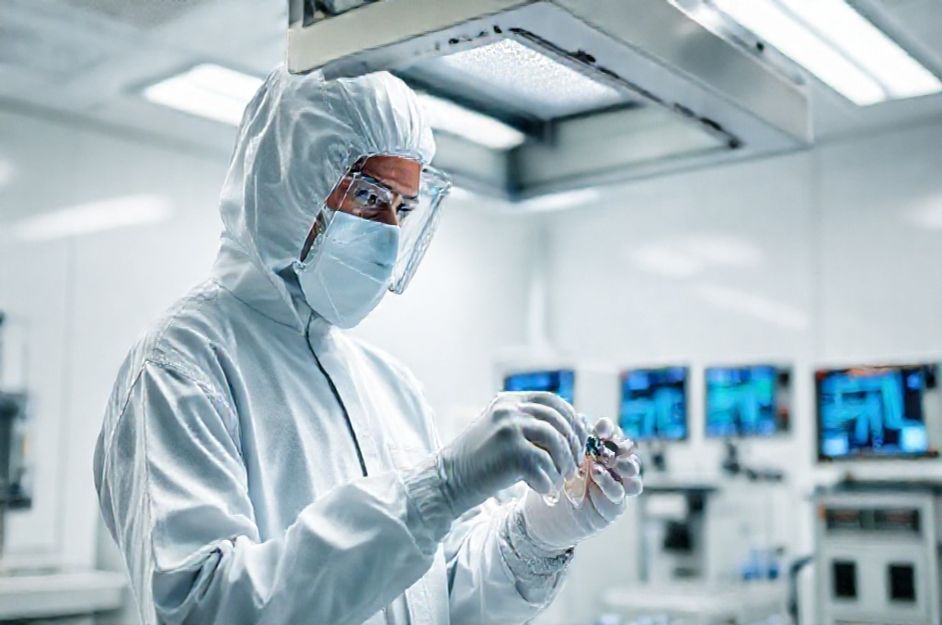
Aseptic technicians play a crucial role in preventing contamination and maintaining sterile environments across various industries. Their expertise is essential in medical procedures, pharmaceutical manufacturing, food production, and other sectors where maintaining asepsis is paramount. These professionals are responsible for implementing and monitoring aseptic techniques to ensure product safety and regulatory compliance.
**Understanding Aseptic Techniques**
Aseptic techniques are designed to eliminate microorganisms that can cause contamination, spoilage, or unwanted fermentation. Since humans are a primary source of contamination, aseptic technicians work to create barriers and implement procedures that minimize the risk. This involves utilizing clean rooms, sterile gloves, and other protective measures.
An aseptic technician must possess a thorough understanding of these practices and the underlying principles. They need to be adept at monitoring contamination levels and ensuring that sterilization protocols are consistently followed.
**Aseptic Technicians in Pharmaceutical Production**
In the pharmaceutical industry, aseptic technicians focus on the mechanical aspects of maintaining a sterile environment. This includes ensuring the proper operation and maintenance of equipment, clean rooms, and utilities. Individuals with a mechanical aptitude and relevant engineering experience are often well-suited for these positions.
**Regulatory Compliance**
Aseptic technicians must also be well-versed in industry standards and applicable regulations. This knowledge allows them to oversee compliance efforts and ensure that all processes meet the required guidelines.
**Industries That Employ Aseptic Technicians**
* **Hospitals:** Aseptic technicians are vital for preventing sepsis and ensuring sterile conditions in operating rooms.
* **Food Industry:** They help prevent spoilage and extend the shelf life of food products.
* **Pharmaceutical Companies:** They oversee production practices to guarantee compliance with regulations and industry standards.
* **Medical Device Manufacturers:** They ensure that medical devices meet stringent aseptic requirements.
Other businesses that may benefit from aseptic expertise include clinical laboratories, nursing homes, and packaging companies.
**Responsibilities of an Aseptic Technician**
The specific duties of an aseptic technician can vary depending on the industry and the specific employer. However, some common responsibilities include:
* Supporting the daily management of aseptic units
* Developing and maintaining quality management systems
* Providing technical input to ensure aseptic conditions
* Contributing to clinical services and dispensary operations
Ultimately, the aseptic technician is responsible for establishing and maintaining best practices to ensure an aseptic environment.