
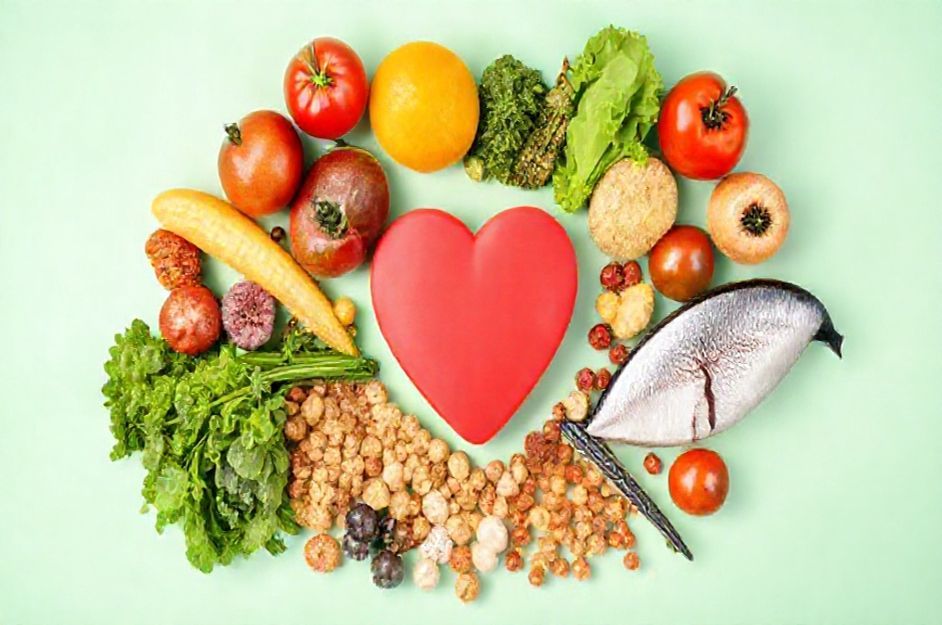
February is American Heart Month, a timely reminder to prioritize cardiovascular health. Here are ten evidence-based strategies to keep your heart strong and healthy:
1. **Embrace Fiber-Rich Foods:** Fiber is a champion for heart health. It effectively lowers LDL (“bad”) cholesterol levels and supports healthy weight management. Maintaining a healthy weight is crucial, as being overweight increases the risk of heart failure significantly. Excellent sources of fiber include oats, beans, raspberries, blackberries, oranges, and green peas.
2. **Potassium Power:** Potassium plays a vital role in regulating fluid balance and mitigating the adverse effects of excess sodium. A diet high in sodium and low in potassium can lead to high blood pressure. Increase your potassium intake with foods like bananas, potatoes, broccoli, and kiwi, while reducing your salt consumption.
3. **Moderate Coffee Consumption:** Excessive coffee intake (four or more cups daily) may elevate homocysteine levels, an amino acid linked to increased cardiovascular disease risk. Switching to tea can provide heart-healthy benefits, such as lower blood pressure and reduced inflammation.
4. **Beets for Heart Health:** Beets contain betanin, an antioxidant that can prevent LDL cholesterol from clogging arteries. This root vegetable is also a good source of folic acid, which helps break down homocysteine. Other top sources of folic acid include spinach, broccoli, romaine lettuce, and papaya.
5. **Cultivate Active Listening Skills:** Research suggests that individuals with dominant personalities may have a higher risk of heart disease compared to those who are more patient and passive. Practicing active listening can positively impact your cardiovascular health.
6. **Lycopene-Rich Foods:** Lycopene, a phytonutrient found in tomatoes, watermelon, and pink grapefruit, may help lower cholesterol levels and reduce inflammation. Incorporate these foods into your diet to benefit from lycopene’s heart-protective properties.
7. **Prioritize Healthy Fats:** Replace saturated fats (butter, bacon, beef) with monounsaturated fats (olive oil, avocado, nuts) to help lower cholesterol. Omega-3 fatty acids, found in wild salmon, walnuts, and flaxseed, also help reduce inflammation.
8. **Smart Breakfast Choices:** Avoid large, fatty breakfasts that can trigger the release of inflammatory chemicals associated with clogged arteries. Opt for a balanced and nutritious breakfast, such as a strawberry-banana smoothie.
9. **Harness the Power of Soy:** Consuming 25 grams of soy protein per day can help lower cholesterol, according to the American Heart Association. Soy also provides folic acid and magnesium, which supports healthy blood pressure. Enjoy soy milk, edamame, tofu, or soynuts as part of a heart-healthy diet.
10. **Boost HDL Cholesterol:** Raising levels of HDL (“good”) cholesterol is crucial for preventing cardiovascular disease. In addition to exercise, quitting smoking, and limiting trans fats, consuming cranberry juice can help increase HDL levels.