
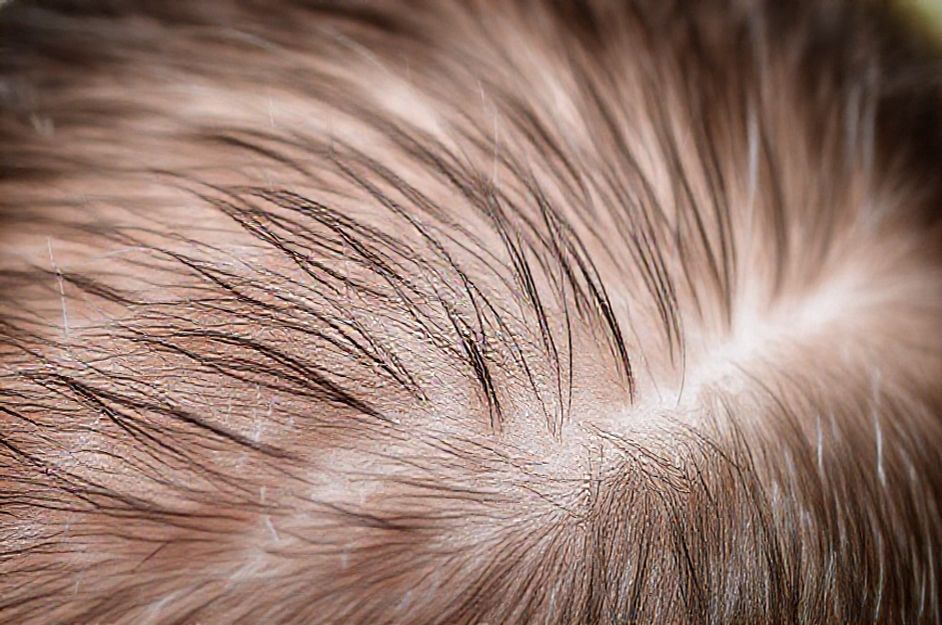
The seemingly simple strand of hair is, in fact, a complex biological structure. Human hair development begins in the womb. By 22 weeks gestation, a fetus has approximately 5 million hair follicles – the complete set for life. No new follicles develop after this point.
Hair Anatomy
Each hair consists of a follicle embedded in the skin and a visible shaft. The follicle comprises multiple layers, each with a specific role. The papilla, located at the follicle’s base, connects to capillaries that nourish the bulb cells at the hair strand’s base.
The follicle is surrounded by inner and outer sheaths. These sheaths protect the hair shaft and guide its growth. The inner sheath extends to the sebaceous gland, while the outer sheath reaches the gland and the arrector pili muscle – responsible for goosebumps.
The hair shaft has three layers of keratin, a dead protein. The medulla, the innermost layer, isn’t always present. The cortex, the middle layer, constitutes the bulk of the hair and contains pigment that determines hair color. The cuticle, the outermost layer, consists of overlapping cells, providing luster and sheen.
How Hair Grows
Scalp hair typically grows about six inches annually, or 0.3-0.4 mm daily. Hair growth occurs in three phases:
* Catagen Phase: A transitional phase lasting two to three weeks, affecting roughly 3% of hair at any time. Growth ceases as the outer root sheath shrinks and attaches to the root.
* Telogen Phase: A resting phase affecting about 15% of hair. It lasts approximately 100 days for scalp hair and longer for body hair.
* Anagen Phase: An active growth phase where hair cells divide, lasting two to six years. Shorter anagen phases can indicate difficulty in growing long hair.
Hair Growth Disorders
Hirsutism, primarily affecting women, involves excessive thick, dark hair growth in male-typical areas like the face, chest, and areolae. Hypertrichosis causes excessive hair growth in areas where visible hair is uncommon. Both conditions are treatable with medical interventions.