
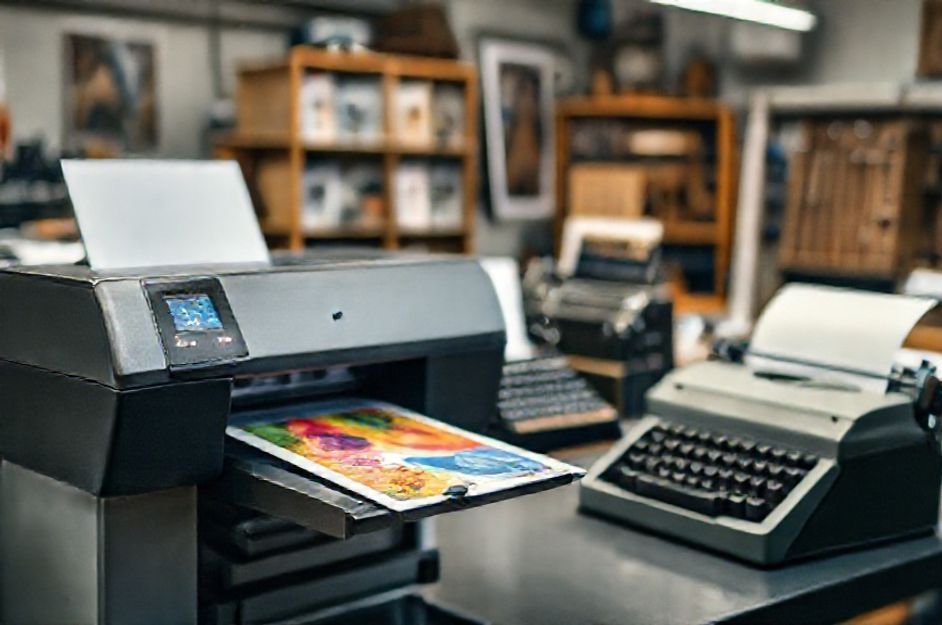
From ancient lithography, a manual printing process, the world of printing has undergone a dramatic transformation. The invention of the typewriter marked a significant leap forward, offering a more efficient and legible alternative to handwriting, despite its manual operation.
The photocopier, pioneered by Xerox, revolutionized document reproduction. It enabled the quick and easy creation of multiple copies, making information readily accessible. This innovation streamlined the printing process, reducing both time and effort.
Printing presses further simplified large-scale printing, replacing the labor-intensive methods of the past with faster and more accurate machine-driven processes. These advancements made high-volume printing more manageable and efficient.
The advent of the computer, coupled with user-friendly software and reliable printers, ushered in the era of digital printing. This technology allowed for precise reproduction of materials, easy error correction, and rapid printing of multiple copies with the touch of a button. This marked the beginning of digital wholesale printing.
Digital wholesale printing streamlines the process of producing numerous copies. The digital nature of this method results in quicker turnaround times, making it an ideal solution for large printing jobs.
These inventions and innovations have transformed printing from a tedious task into an efficient and effective process. Black and white prints have evolved into vibrant, colorful creations, and the durability of inks has been significantly improved. As technology continues to advance, the future of printing promises even more exciting developments. For now, let’s appreciate the capabilities of modern printing!