
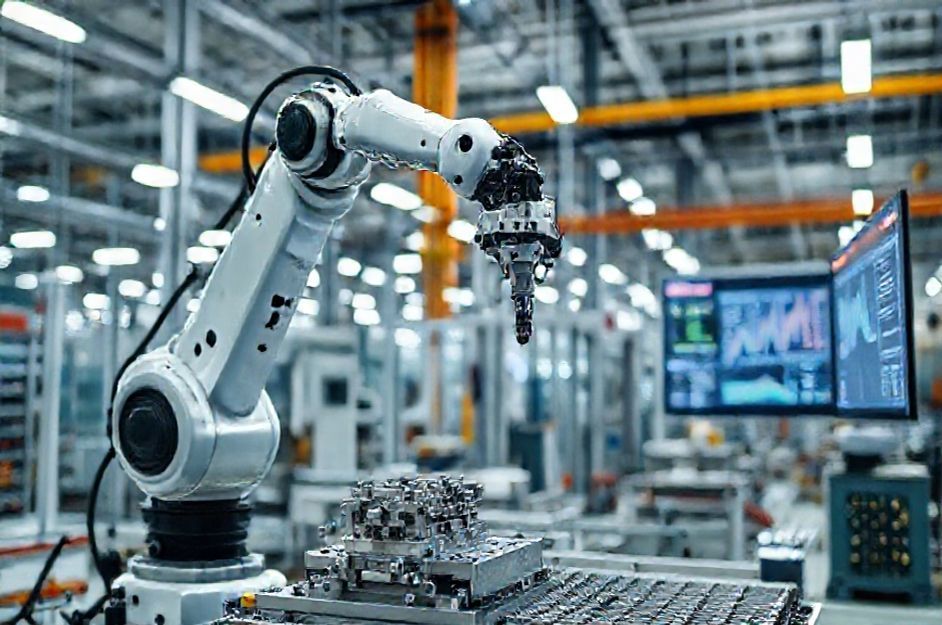
Material Requirements Planning (MRP) is a computer-based inventory management system designed to optimize production schedules and streamline the ordering process for dependent demand items. These items, essential components of finished products, include raw materials, parts, and sub-assemblies where inventory needs directly correlate with the final product’s production level. Think of a bicycle factory needing aluminum, tires, seats, and derailleurs – the quantity of each depends on how many bicycles they plan to manufacture.
The earliest MRP systems emerged in the mid-20th century, leveraging mainframe computers to translate a bill of materials for a finished product into a detailed production and purchasing roadmap for its constituent components. These systems soon evolved to incorporate feedback loops, allowing production staff to dynamically adjust inputs and adapt to changing circumstances. The subsequent generation, known as Manufacturing Resources Planning (MRP II), broadened the scope to integrate marketing, finance, accounting, engineering, and human resources considerations into the overall planning process. Enterprise Resources Planning (ERP) represents a further evolution, employing technology to connect various functional areas across the entire business.
At its core, MRP operates by working backward from the production schedule for finished goods to determine the precise requirements for components and raw materials. It transforms the finished goods schedule into a detailed plan specifying the sub-assemblies, parts, and raw materials needed to meet the production timeline. In essence, MRP provides answers to three key questions: What is required? How much is required? When is it required?
MRP meticulously divides inventory requirements into distinct planning periods, ensuring timely production while minimizing inventory levels and associated carrying costs. When implemented and utilized effectively, MRP empowers production managers to proactively plan for capacity needs and optimize the allocation of production time.