
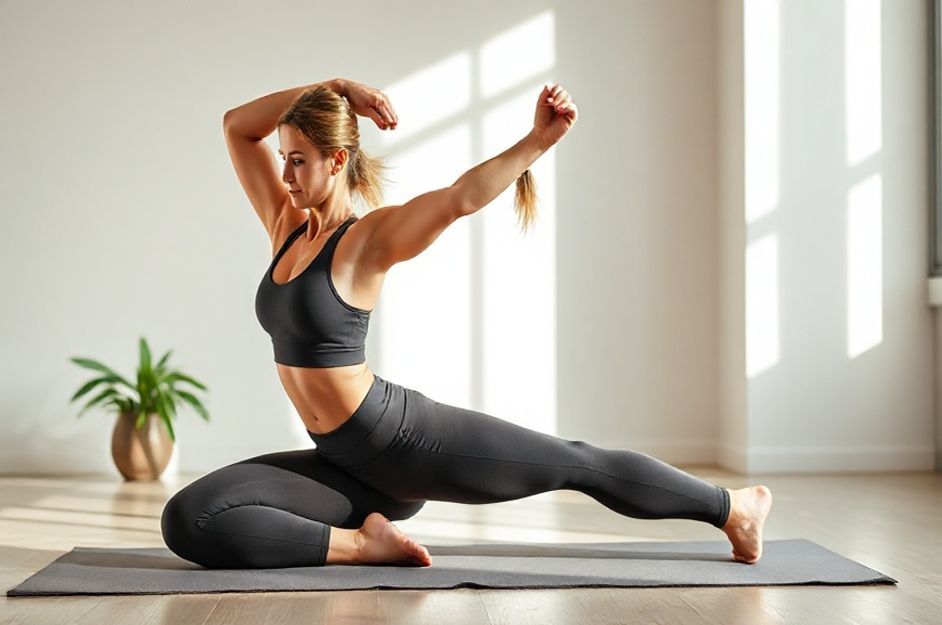
Your body is your most valuable asset, supporting you in every daily activity, from getting out of bed to performing your job. To appreciate and maintain its functionality, it’s essential to provide it with nutritious food, proper hydration, and regular physical activity.
While your limbs are responsible for mobility, reach, and strength, the body’s core is the foundation of every movement. A sedentary lifestyle can lead to weakened core muscles, making them susceptible to strain and injury. Even dedicated workouts or sports participation might not adequately target these crucial core muscles.
What exactly constitutes your body’s “core”? The core is essentially the midsection, extending from the groin to the shoulders, encompassing the pelvis, abdominal muscles, back, and chest. This core provides stability, balance, and flexibility, serving as the origin point for every movement, whether it’s reaching for a toothbrush or running a marathon. An improperly conditioned core will inevitably limit your physical capabilities.
Strengthening your core muscles enhances the efficiency of limb movements. While many exercise routines emphasize building muscle mass, establishing a stable and strong core optimizes the strength and flexibility of each limb. Think of it as building a strong foundation for a house.
There are numerous exercise routines and tools designed to target the core muscles. Professional trainers often develop customized programs to improve an athlete’s performance by focusing on specific core muscles. Additionally, many readily available programs cater to individuals seeking to integrate core strengthening into their current fitness regimen or begin a new one.
Core-strengthening exercises and tools typically work by creating resistance or instability, forcing the core muscles to engage in order to maintain balance. While generally gentle on the body, these exercises can be quite intense, and beginners often quickly feel the targeted muscles working. Proper alignment is paramount, and consulting with a trainer can help ensure the safest and most effective execution of each exercise.
Many core exercises mimic movements used in everyday life or sports, training the body to rely on the core and reducing strain on the limbs. Pilates and Swiss ball exercises are two popular methods for developing core strength.
Pilates utilizes the body’s own resistance. Through controlled breathing and slow, deliberate movements, individuals can isolate and strengthen core muscles effectively.
The Swiss ball, also known as a fitness ball, offers a fun and accessible approach to core strengthening. While numerous exercises can be performed using a Swiss ball, simply sitting on it creates the instability needed to engage the core muscles and maintain balance.
Regardless of age or fitness level, maintaining good core strength is crucial. Incorporating core conditioning into your routine, no matter your fitness goals, can help reduce fatigue, prevent muscle strain, and enhance overall strength and mobility.