
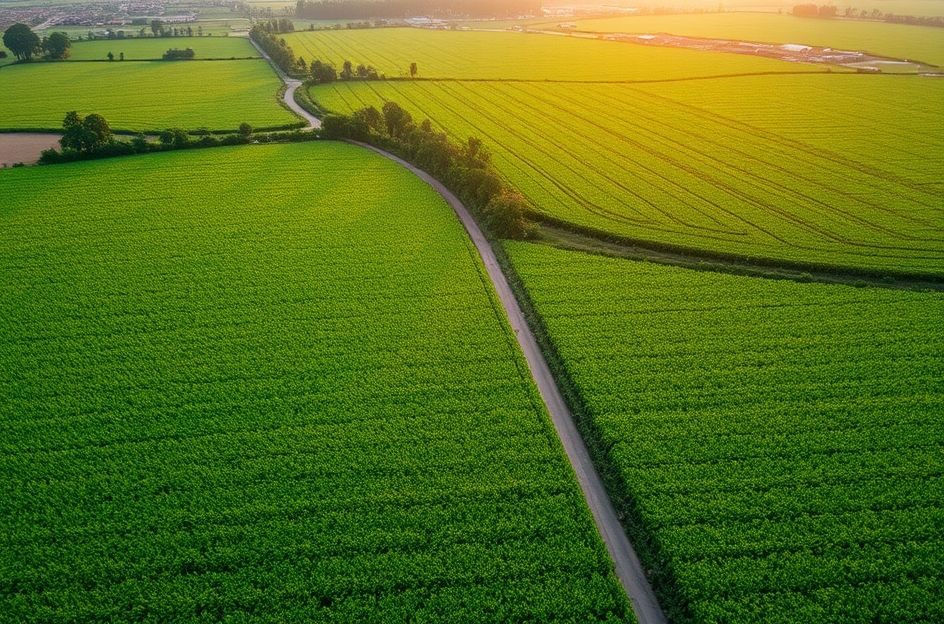
GreenEnergy Ltd. stands as a pioneering force in Vietnam, spearheading the scientific cultivation of biofuel crops. Founded by Tang Thi Kim Phuong, a dedicated entrepreneur, wife, and mother, GreenEnergy Vietnam (GEV) has been her focus for the past three years.
The company employs 22 individuals, including scientists, farmers, international business professionals, industrial workers, and family members.
GreenEnergy’s mission is to transform vast areas of rural land through the scientific, yet accessible, cultivation of biofuel feedstocks. This initiative aims to generate employment and entrepreneurial opportunities for potentially thousands of impoverished Vietnamese rural residents while simultaneously supplying resources for GreenEnergy’s core business: the refining and marketing of biodiesel.
This venture creates a mutually beneficial scenario. The cultivation of vegetable oil necessitates only marginally arable, war-damaged, or barren land, preventing competition with food production and avoiding pressure on food prices. The Vietnamese government has identified seven million hectares of such land.
Moreover, GreenEnergy’s operations establish a renewable and sustainable fuel source, enabling Vietnam to pursue development while reaping the social, economic, and environmental advantages of clean energy production.
The immense scale and potential of the biodiesel industry in Vietnam, and globally, necessitates the cultivation of tens of millions of biofuel crops to significantly displace fossil fuels. This opens the door for a ‘second green revolution,’ leading to genuine improvements in the lives of the rural poor. Vegetable oils can play a crucial role in mitigating global warming as a key element in addressing climate change.
Global warming, driven by the concentration of greenhouse gases (GHGs) in the atmosphere, is now widely recognized as a major climate concern. Carbon dioxide, the most prevalent GHG, is released during the combustion of fossil fuels. The Kyoto Protocol, enacted in February 2005, mandates carbon emission reductions for participating nations.
Furthermore, rising crude oil prices and the urgency to diminish reliance on imported oil have compelled net oil importers to explore alternative energy sources. The instability of fossil fuel supplies, combined with biofuels’ capacity to mitigate this risk, makes it viable for the global economy to refocus on agriculture and those traditionally involved in it, potentially benefiting Vietnam’s rural sector.
Complete biodiesel utilization could curtail net CO2 emissions by over 78% compared to petroleum diesel, and up to 16% with blends containing 20% biodiesel.
While both fuels exhibit comparable efficiency in converting raw energy into usable power, biodiesel boasts a greater proportion of renewable resources. Additionally, biodiesel is non-toxic and environmentally conscious, generating significantly less CO2 and promoting sustainable environmental practices.
GreenEnergy acknowledges the vast undertaking ahead and has implemented a dual strategy to accomplish its objectives in Vietnam:
1. **Public Initiatives:** Actively promoting the production side of biofuel feedstocks by forging partnerships with Vietnam’s Central Government, People’s Committees, and aid agencies to rapidly bring extensive areas of marginal land under biofuel crop cultivation.
A memorandum of understanding was signed by the People’s Committee of Binh Dinh Province and Green Energy Vietnam on December 8, 2006. The 500-hectare Binh Dinh Research and Training Facility for the Cultivation of Biofuel Feedstocks, known as BDF- FARMER ENERGY, serves as a working laboratory dedicated to advancing the biofuel industry for the benefit of Vietnam’s rural poor.
2. **Private Initiatives:** GEV investments are focused on maintaining its ‘First Mover’ advantage by securing proprietary feedstocks, expanding its physical refinery presence, and continuing to build its integrated supply chain, complete with forward-contracted suppliers and customers.
GreenEnergy envisions collaboration with aid agencies primarily within the realm of public initiatives.
The cultivation of biofuel crops can provide Vietnam with substantial and sustainable benefits:
1. Genuine income growth, raising the annual income from $820 to $1,300 USD for thousands of marginalized rural families.
2. Private homesteading opportunities for the rural poor.
3. Relief from stress and reclamation of barren or war-damaged land.
4. Empowerment of impoverished rural women.
5. Preservation of scarce foreign currency reserves.
6. Independence from the instability of global mineral oil markets.
The People’s Committee of the Province of Binh Dinh and GreenEnergy, Vietnam, fully recognize the profound impact this Research and Training Facility will have on all of Vietnam’s rural communities. They extend a cordial invitation to all organizations seeking positive change in the livelihoods of rural Vietnamese to actively partner in the development of this facility.
The Binh Dinh Facility aspires to be a catalyst, harnessing this opportunity for all stakeholders and delivering:
* A pathway for the rural poor to escape deprivation rather than fall further behind.
* A renewable, sustainable, and viable alternative to fossil fuels for Vietnam’s rapidly growing economy.
* An industry that revitalizes rather than degrades the environment.
**Introduction to the Jatropha Oil Plant**
The Jatropha curcas (L), or physic nut, is a versatile and drought-resistant plant that grows to a height of 2 to 7 meters in Asian species. It thrives in tropical and subtropical climates, even in water-scarce regions.
Because its leaves and stems are toxic to animals, it is often utilized as a protective hedge surrounding farmhouses, gardens, and fields. It also reduces soil damage from wind and water erosion. Traditionally, women harvested the seeds for medicinal treatments and local soap production.
In Thailand, Jatropha typically flowers twice a year, during the dry and rainy seasons, with seed harvesting occurring approximately 60-90 days after flowering. The plant has a productive lifespan of 20 years.
Given that the market may not yet be mature enough for the plant to generate sufficient income solely from oil extraction, a holistic rural development strategy, known as the Jatropha System, must be adopted to exploit all potential uses of the Jatropha plant.
This system emphasizes not only fuel production but also the plant’s role as an element in activating a system that integrates ecological, economic, and income-generating activities.
Consequently, the Jatropha System offers four main aspects of development, aiming to improve livelihoods in rural areas, especially for women and farmers:
* Renewable energy – biodiesel
* Erosion control and soil improvement
* Promotion of women
* Income generation
Approximately one-third of the seeds can be extracted as oil with a similar energy value to diesel fuel. The oil is extracted via hydraulic pressure and filtered, making it readily usable in small diesel engines as a direct substitute for diesel oil without requiring engine modifications.
This oil can power engines in water pumps, tractors, hand mowers, other farm machinery, and rice milling machines. By utilizing this domestically produced oil as a replacement for imported oil, significant cost savings can be realized.
GreenEnergy Ltd has invested considerable time, money, and resources in this environmentally sound and economically sustainable project in Vietnam and welcomes further contributions from other interested parties.
GreenEnergy also believes that stakeholders at the international level should implement a three-pronged approach encompassing mutual knowledge, technology transfer, genetic development of high oil content in seeds, exchange of Jatropha species, along with investment and trade linkage.