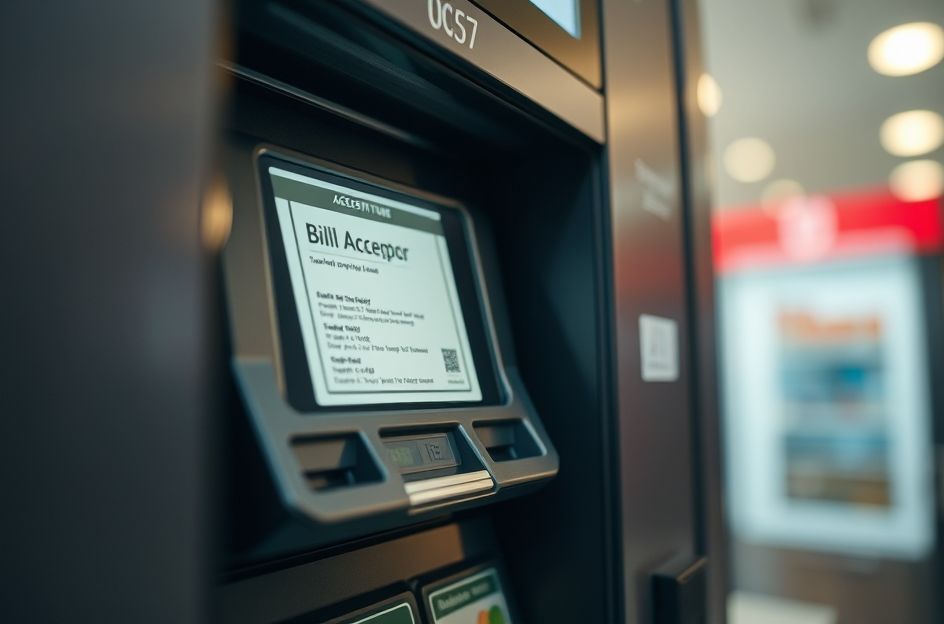
Bill acceptors revolutionized vending machines in the late 1960s, streamlining transactions for sodas and snacks. These devices authenticate currency inserted by customers. Modern vending machines, like those offered by Antares Corporation, rely on sophisticated bill acceptor technology. Early models used magnetic heads, similar to those in cassette players, to read the magnetic ink on bills. The Treasury’s high-content ink made this possible, requiring direct contact between the magnetic heads and the bill. A common issue was the accumulation of grime and lint, hindering the reading process. Attempts to deceive machines with photocopies were common. Modern bill acceptors employ ‘floating’ magnetic readers that analyze the magnetic field and particle patterns of the ink, creating a ‘fingerprint’ to distinguish genuine currency from counterfeits. Maintaining your vending machine’s bill acceptor is crucial. Poor acceptance is a primary problem, often caused by worn magnetic reader heads. Regular cleaning with cotton swabs and alcohol can prevent this. If the machine retains bills without dispensing change, it indicates severely worn heads, necessitating professional servicing. Failure to pull in bills usually stems from a faulty front sensor. As a vending operator, diligent maintenance is essential. Each transaction leaves residue – ink from bills, metal flakes from coins – necessitating periodic disassembly and cleaning of the validator. Pay close attention to the bill path, sensors, and belts. Inspect belts for wear and tear. Proactive maintenance ensures smooth, reliable operation.
Vending Machine Bill Acceptors: Troubleshooting & Maintenance Guide