
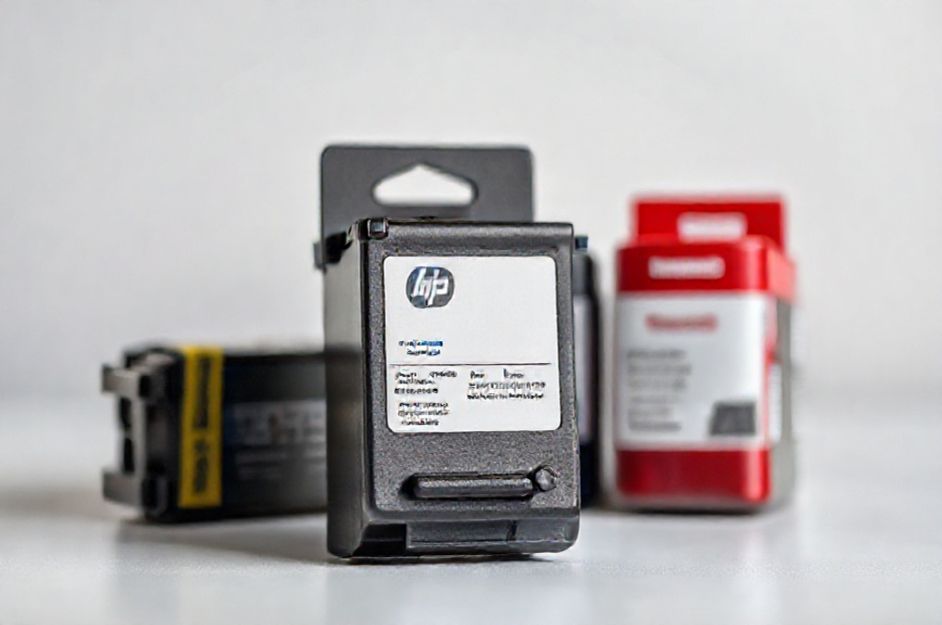
Many customers, especially those familiar with Epson or Canon printers, often ask why compatible ink cartridges for HP and Lexmark printers tend to be more expensive. The primary reason lies in the design of the cartridges themselves. Most HP and Lexmark printers utilize cartridges with an integrated, non-removable print head—the component that applies ink to the paper. This means that each time a new cartridge is installed, the print head is also replaced.
Replacing the print head with every ink cartridge offers benefits, including enhanced print quality and reliability. However, print heads are complex, precision-engineered electrical devices that require specialized expertise and advanced manufacturing technology, making them costly to produce. Third-party manufacturers cannot offer print head cartridges at prices lower than branded products because they cannot achieve the cost-effectiveness needed to compete with original equipment manufacturers (OEMs). Additionally, the disposable nature of these print heads raises environmental concerns, despite HP and Lexmark’s recycling efforts.
So, what exactly are compatible HP and Lexmark cartridges? They are typically remanufactured cartridges, recycled in an environmentally responsible manner for reuse. This process goes far beyond simply refilling them with ink. Remanufacturing is a thorough and lengthy process that yields a more reliable recycled ink cartridge.
The remanufacturing process starts with sourcing empty cartridges suitable for remanufacturing. These are often acquired from brokers, and their cost varies based on availability, with newer cartridges generally being more expensive due to their limited circulation. Upon arrival, each cartridge undergoes careful inspection for damage. Cartridges that pass this initial inspection are thoroughly cleaned using advanced equipment and then electronically tested to ensure the functionality of their circuitry. Next, the cartridges are refilled with premium-quality ink using precise manufacturing equipment. After refilling, each cartridge undergoes further visual and electronic inspections, as well as pressure testing, to ensure a secure seal and prevent leaks. The final step is packaging, which involves placing the cartridge in a custom-designed box with clear labeling of all relevant product codes. The packaging also includes a prepaid return envelope for recycling the cartridge after use.
As you can see, remanufacturing is a complex process requiring significant time and specialized equipment. This explains why compatible cartridges for HP and Lexmark printers may be slightly more expensive than third-party compatibles for Epson and Canon printers.
The reason Epson and Canon compatible cartridges are generally cheaper is that most of them are simple ink tanks without an integrated print head. These ink tanks can be manufactured cost-effectively, primarily in China, and sold at a lower price point compared to their OEM counterparts.