
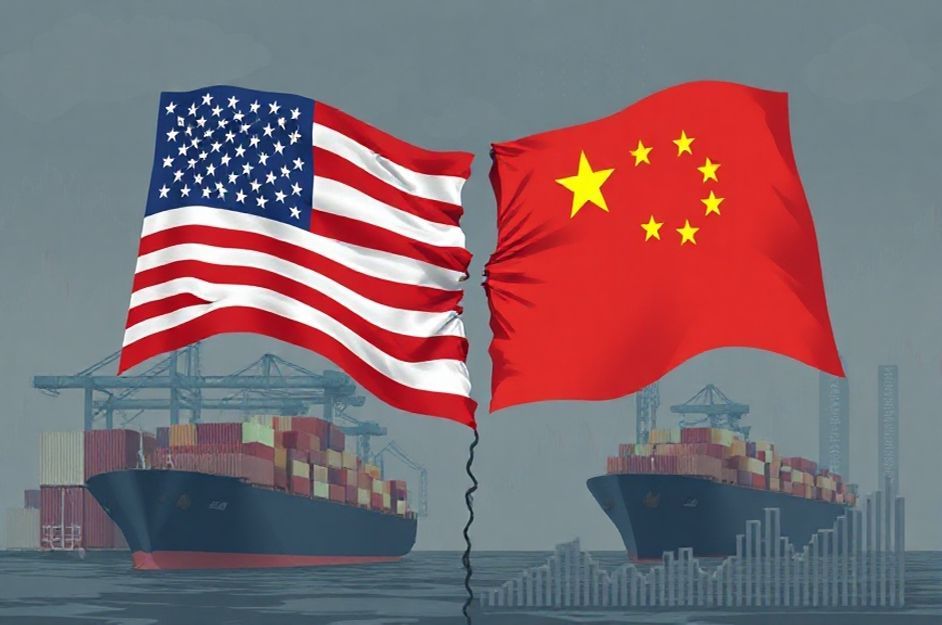
In February 2006, the United States government voiced strong concerns regarding its escalating trade deficit with China. Deputy US Trade Representative Karan Bhatia stated that China could face punitive trade measures if it fails to provide fair market access to American companies. Bhatia emphasized the need for a level playing field but stopped short of threatening a complete restriction of China’s access to the US market.
US Trade Representative Rob Portman revealed plans for a task force to monitor China’s adherence to global trade policies. This includes enforcing intellectual property rights, easing restrictions on local industries, and fulfilling commitments to open its markets to US businesses.
Bhatia argued that China has significantly benefited from access to the US market but has not reciprocated by offering US companies equitable opportunities within its own market. Critics have pointed out that a surge of inexpensive Chinese goods has negatively impacted US competitors and led to job losses in manufacturing sectors. There are also accusations that the Chinese government manipulates the yuan’s exchange rate to boost exports.
Last year, the US trade deficit reached a record $725 billion, driven by rising oil prices and increased demand for imports.
In response to public concern over potential job losses, US lawmakers have proposed measures to limit trade relations with China, including urging currency revaluation and imposing tariffs on Chinese goods.
Analysts suggest that the US has limited options, as aggressive actions against China could have adverse consequences for the US economy.
Chinese Foreign Ministry Spokesman Qin Gang countered that punitive measures from the US would not improve trade relations and would harm US business interests. All eyes are on the upcoming discussions between Chinese President Hu Jintao and the US President in Washington, where both countries will hopefully find a resolution.