
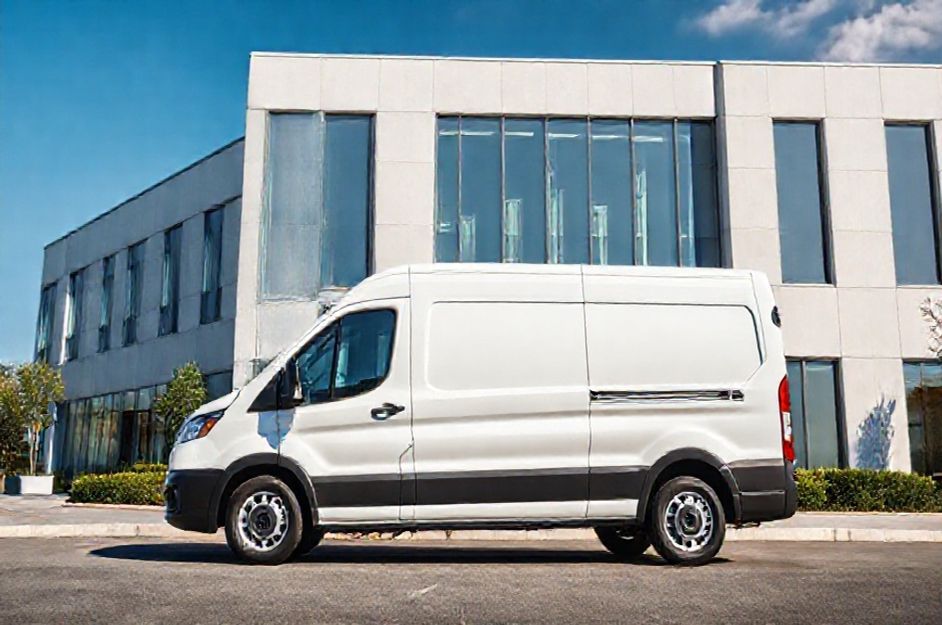
In today’s market, gasoline prices remain stubbornly high. For cleaning businesses, fuel costs can significantly impact profitability. Whether servicing multiple locations or simply acquiring supplies, optimizing gas mileage is crucial. While comparison shopping offers limited savings, implementing practical strategies can dramatically improve fuel efficiency.
First, maintain your vehicle diligently. Regular tune-ups, proper tire inflation, and wheel alignment can collectively improve gas mileage by at least one mile per gallon. Under-inflated tires are a major culprit. Studies by the U.S. Department of Energy reveal that even a single pound per square inch (PSI) of under-inflation across all vehicles nationwide could waste millions of gallons of gasoline daily. Always adhere to the manufacturer’s recommended tire pressure.
Second, minimize excess weight. Every extra 100 pounds reduces MPG by up to 2%. Remove unnecessary tools, equipment, and materials from your vehicle and store them securely at your office or storage facility.
Third, avoid idling. Idling yields zero miles per gallon. Larger engines consume even more fuel while stationary. The Department of Energy estimates that idling wastes millions of gallons of gasoline daily. Modern engines warm up quickly, eliminating the need for prolonged idling, even in cold weather.
Fourth, adopt sensible driving habits. Avoid rapid acceleration and hard braking. Maintaining a consistent speed of 55 mph, compared to 65-70 mph, can improve fuel economy by up to 20%. For every mile per hour over 60, you effectively add to the per-gallon cost.
Fifth, plan your routes efficiently. Organize cleaning schedules to minimize backtracking. Combine errands, client meetings, and supply pickups into single, optimized trips.
Sixth, on highways, keep windows closed to reduce aerodynamic drag. Open windows at high speeds can decrease mileage by up to 10%.
Seventh, use air conditioning sparingly, as it significantly impacts fuel consumption, potentially reducing efficiency by 10-20%. Consider alternatives when possible.
Eighth, avoid driving during peak rush hours to minimize stop-and-go traffic, which lowers gas mileage.
Ninth, anticipate traffic flow and stoplights, decelerating and accelerating smoothly. When approaching hills, accelerate gradually before the incline rather than during it.
Tenth, turn off your engine without revving when stationary. Revving provides no benefit and wastes fuel.
While controlling gasoline prices is impossible, implementing these fuel-saving techniques will significantly reduce your cleaning company’s fuel expenses, protecting your bottom line.