
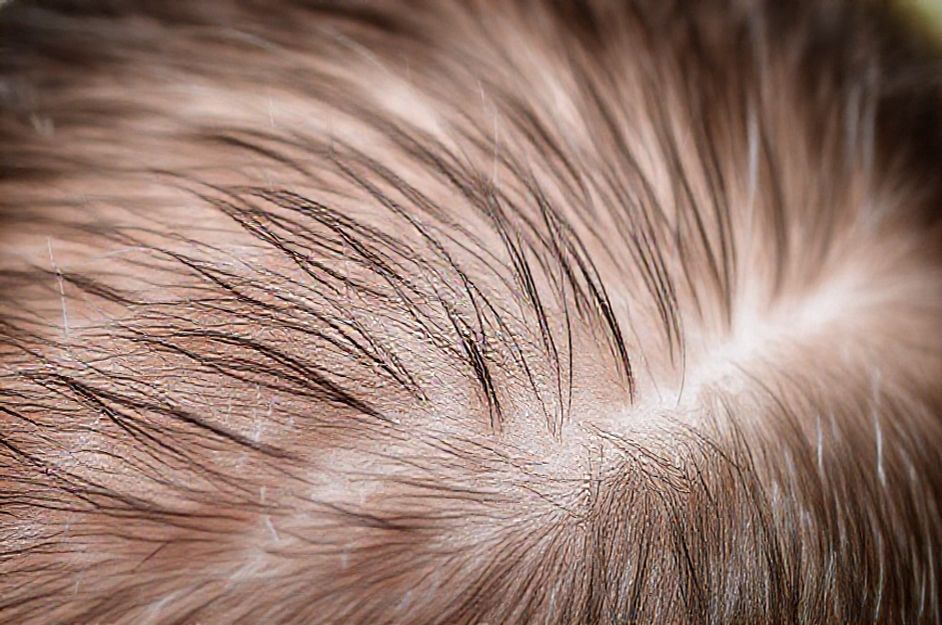
From the moment we’re developing in the womb, hair is a complex part of our bodies. By 22 weeks, a fetus already has around 5 million hair follicles, and that’s all we’ll ever have – no new ones develop later in life. Understanding hair anatomy and the growth cycle can help optimize hair health.
Hair Anatomy
Each strand consists of a follicle embedded in the skin and the visible shaft. The follicle is a multi-layered structure. At its base lies the papilla, connected to capillaries that nourish the bulb. Inner and outer sheaths protect the shaft and guide its growth. The outer sheath connects to the erector pili muscle, responsible for goosebumps.
The hair shaft itself is made of three layers of dead protein cells called keratin. The medulla, the innermost layer, isn’t always present. The cortex, the middle layer, provides the bulk and contains the pigment determining hair color. The cuticle, the outermost layer composed of overlapping cells, gives hair its luster.
How Hair Grows
Scalp hair grows about six inches per year, or 0.3-0.4 mm per day, going through three phases:
* Catagen Phase: A 2-3 week transitional phase where growth stops, and the hair root shrinks. Around 3% of hairs are in this phase at any given time.
* Telogen Phase: A 100-day resting period (longer for body hair) affecting about 15% of hairs.
* Anagen Phase: The active growth phase, lasting 2-6 years, where cells divide, and new hair grows. Shorter anagen phases can make it difficult to grow long hair.
Hair Growth Disorders
Hirsutism, primarily affecting women, causes excessive dark hair growth in male-typical areas. Hypertrichosis causes excessive hair growth in areas where hair is usually sparse. Both conditions have treatment options available.