
Event planning, whether it’s a large seminar, a focused workshop, or a multi-city roadshow, can quickly become overwhelming, leading to unexpected challenges. Clearly defining the event’s objectives right from the start is crucial for smooth execution and successful outcomes.
While events often stem from sales, marketing, or even product-related discussions, establishing a clear and shared understanding of the event’s purpose is paramount. This understanding directly influences several key aspects:
* The event’s organizational structure
* Stakeholder involvement
* Venue selection
* Content inclusion and exclusion
* Scheduling of activities
* The core reason for hosting the event
To ensure alignment, the event manager should collaborate with key stakeholders to define the event’s objective(s). Utilizing a pre-existing objective-setting framework within the organization is highly recommended.
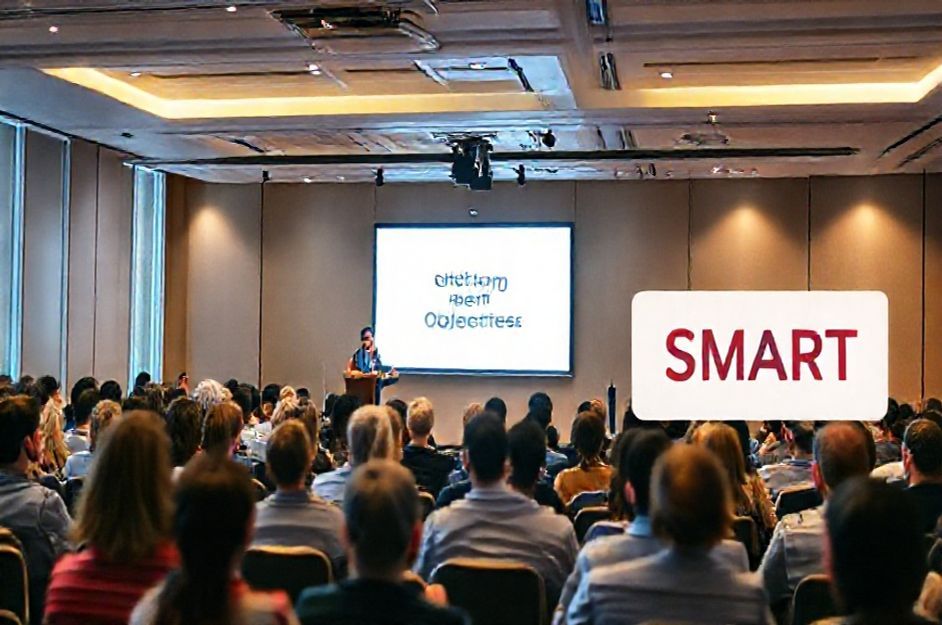
At a minimum, the objective should adhere to the SMART criteria:
* Specific
* Measurable
* Achievable
* Relevant
* Time-bound
Specificity addresses the question: “What specific changes will result from a successful event?” For instance, a financial services company struggling to sell a complex investment product (Product Y) might host a conference. Their specific objective could be: “To deliver a detailed technical explanation of Product Y, alongside other financial products, to an audience of at least 250 financial advisors within our region, enabling them to understand its benefits and promote it to their clients.”
Measurability acknowledges the inherent trade-offs between cost, quality, and time in project management. While achieving high standards quickly is possible with unlimited resources, or delivering top-quality within a tight budget requires flexibility on timelines, most operate within constraints. Balancing budget limitations with tight deadlines often impacts quality. Therefore, it’s vital to define the expected quality level and its measurement. Post-event questionnaires and follow-up communications should gather relevant data to assess quality effectively.
Achievability requires empowering the event organizer and ensuring they have the support of the event stakeholders. This includes establishing clear decision-making processes to address issues affecting quality, cost, or time as the project progresses.
Relevance ensures the event aligns with the organization’s overarching goals. A clear connection should exist between the event and the company’s mission or vision.
Time-bound aspects prevent projects from losing focus. Detailing relevant dates, times, and durations, and addressing the event’s impact on other ongoing work, ensures proper management of all timelines.
By implementing this seemingly simple step of establishing a well-defined objective, event managers are better equipped to make informed decisions throughout the event’s lifecycle. This proactive approach minimizes disruptive changes and ultimately reduces stress and potential headaches.