
Sally Thompson faced a common challenge: designing her company’s first breakfast seminar. Overwhelmed by presentations and time constraints, she questioned if she could make it all fit.
A key principle for impactful events is the 1/3 rule: divide each hour into listening, discussing, and doing. This means focusing on a 20-minute script per hour. For PowerPoint presentations, a well-paced speaker typically covers one slide every three minutes. Aim for approximately seven slides with no more than seven bullet points to fill a one-hour segment.
This guideline simplifies the writing process. Delegates usually appreciate product literature and printed slides for note-taking. If internal resources are limited, consider hiring experienced creative writers to script your presentation for a reasonable fee.
Workshops require interactive activities to apply learned theories. These often involve paperwork exercises related to the subject matter. Abstract exercises that evoke emotion and stress can also be valuable. Observing spontaneous language and behavior during these activities can illustrate key concepts in areas like teamwork, customer service, anger management, delegation, and leadership. Large-scale puzzles and obstacle courses, using rented props from corporate entertainment suppliers, can facilitate these exercises.
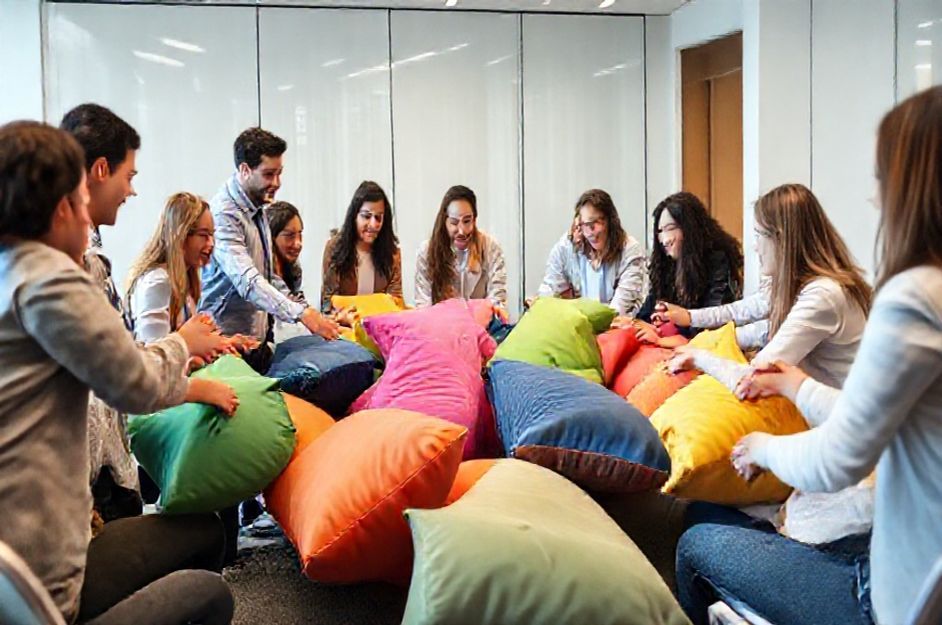
One such puzzle, inspired by the parlor game, involves a stack of seven cushions (Chinese Crackers) of varying sizes. The team must rebuild the stack in a different corner, using a third corner for temporary storage. The rules are simple: smaller cushions must be placed on top of larger ones, and only one cushion can be moved at a time.
This seemingly simple task often leads to frantic behavior, with participants abandoning planning, observation, and positive thinking as they struggle against the clock. The solution isn’t complex but requires identifying and adhering to a pattern for moving the cushions.
Recognizing she was trying to do too much, Sally transformed her initial breakfast seminar into a series of weekly breakfast workshops. This allowed for more in-depth discussions and provided delegates with substantial content while leaving them wanting more.