
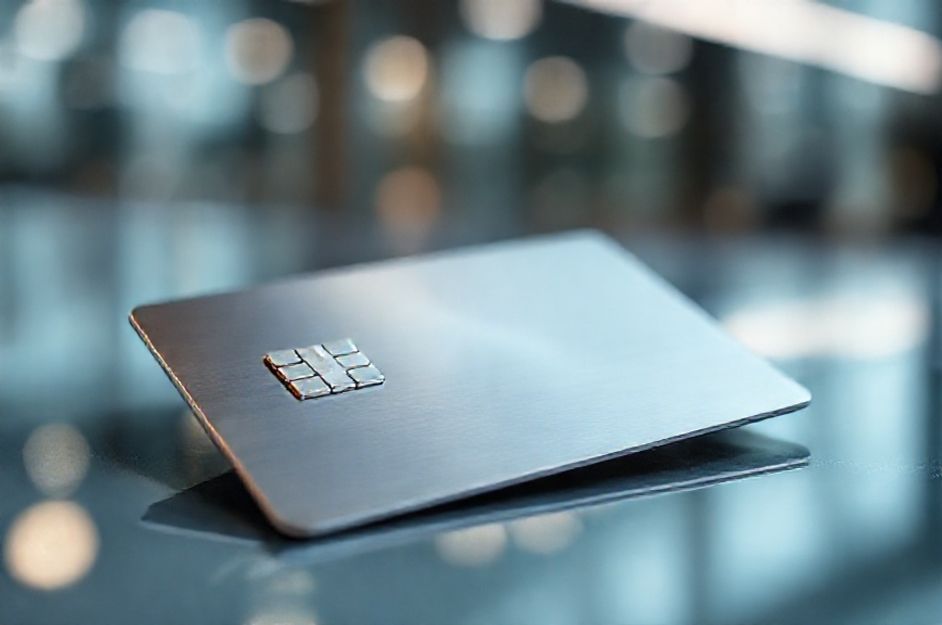
In today’s digital landscape, businesses are increasingly focused on implementing robust security and tracking measures to protect their data. Whether it’s sensitive banking information or valuable customer behavior insights, data security is paramount. Smart cards and chip card readers have emerged as a highly effective solution for safeguarding this critical information.
For organizations needing to secure data on employee laptops, PCMCIA-integrated smart card technology and card readers offer a seamless solution. Once implemented, data access is strictly controlled via card authentication. In the event of a laptop theft or loss, the absence of the authorized card prevents unauthorized access to sensitive data.
Smart cards, like Microsoft .Net cards, are also compatible with desktop PCs. Installing card readers on all desktops ensures that only authorized personnel can access company data, which is particularly useful in shared workstation environments. This access restriction is crucial for maintaining network integrity. PC desktop card readers are easily installed via a USB connection and can be conveniently placed on top of or beside the computer.
Cards featuring microprocessors offer enhanced data storage and manipulation capabilities compared to simpler cards. Hybrid cards facilitate transactions in both card reader-equipped and non-equipped environments. These cards can be read via a magnetic stripe in traditional terminals or used with a chip card reader, ensuring continuous tracking of customer and employee information.
Smart card technology surpasses magnetic stripe technology in security because data on a magnetic stripe is easily compromised. A smart card’s microprocessor acts as a gatekeeper, controlling data access and significantly increasing the difficulty of unauthorized access. These multifunctional cards can grant access not only to computers but also to buildings, cafeterias, and restricted areas.
Furthermore, smart cards enhance financial and shopping transactions by storing reward points data. A single card can facilitate purchases, banking, and customer incentive programs. Discount information can be stored on a card used for both brick-and-mortar and online transactions. This centralized data repository empowers businesses to develop comprehensive customer activity profiles. Upgrading from magnetic stripe cards to smart cards is a necessary step for businesses aiming to maintain a competitive edge and prioritize data security.