
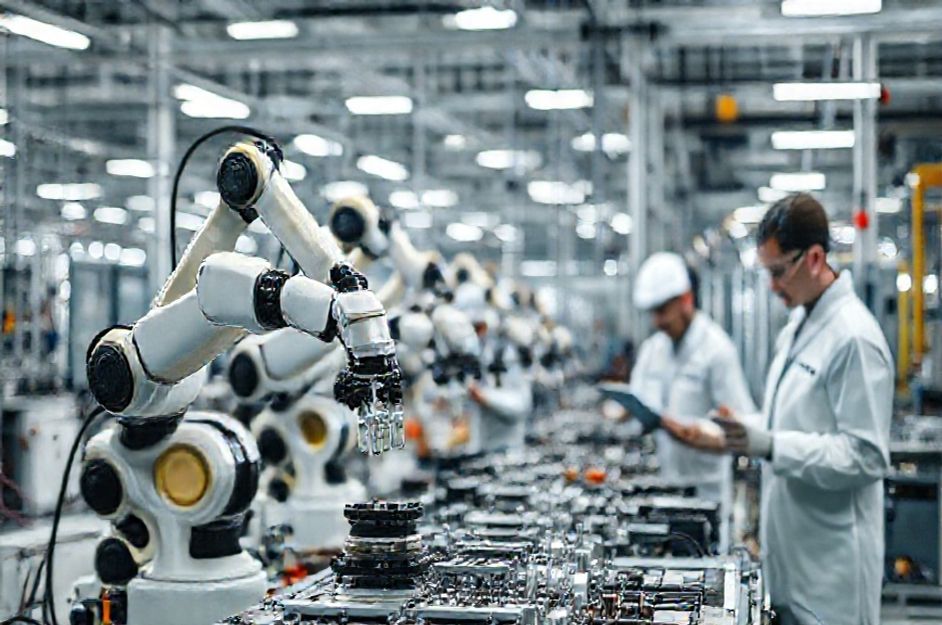
A common misconception in modern manufacturing is that North America is unable to compete in the global market due to lower labor costs overseas, supposedly leading to job losses. However, according to application engineers at Makino, a global leader in advanced machining technology, this isn’t necessarily the case. They argue that automating manufacturing processes, including integrating robotics and conveyors into work cells, can significantly reduce part production costs and improve quality.
Makino has documented numerous customer examples that demonstrate how investing in advanced automation makes domestic manufacturing highly competitive, even against lower foreign labor costs. The resulting lower per-unit part cost, combined with the advantages of local customer service and shorter lead times, enhances the value proposition for U.S. and North American manufacturers.
While some manufacturers initially worried that automation would lead to job displacement, case studies have shown the opposite. Investing in technology helps maintain and even create jobs. Many companies have experienced significant growth in hiring to manage increased production volume.
For example, one case study revealed dramatic improvements in cycle and lead times. Production rates for certain high-volume parts jumped from two per hour to an impressive 126 per hour. Similarly, processes that once took 12 weeks are now completed in just six.