
In today’s dynamic business landscape, strategically adding a ‘middle person’ can significantly enhance service efficiency and profitability. This approach proves worthwhile when cost-effective and driven by high demand, improving market positioning. Consider food delivery services that aggregate multiple restaurants, guaranteeing on-time delivery. This provides customers with reliability and diverse dining options.
The principle extends beyond the food industry. Electrical suppliers now focus on electricity delivery, leveraging multiple energy sources to ensure efficient delivery at competitive prices. This demonstrates the broad applicability of the ‘middle man’ concept.
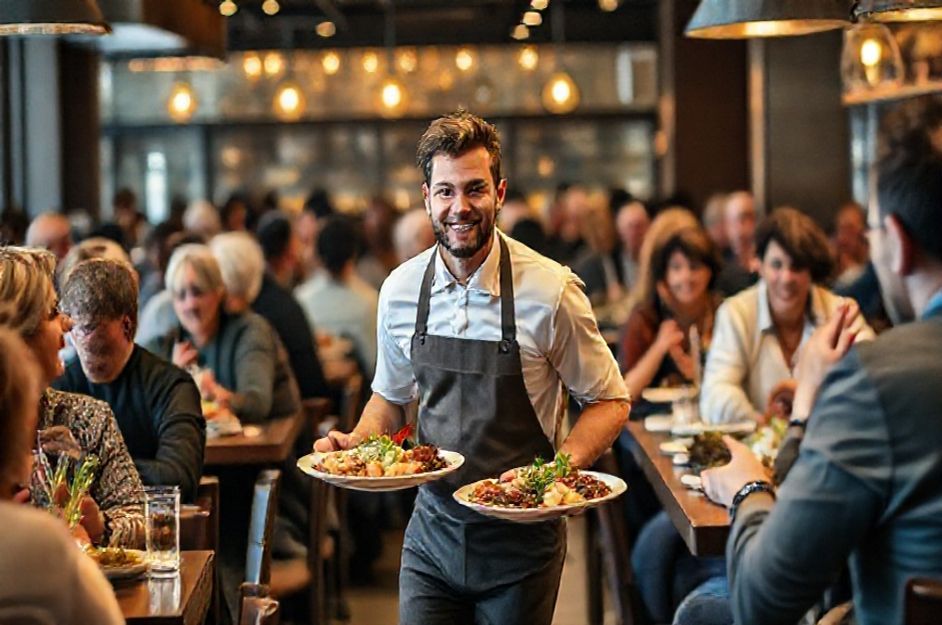
In restaurants, the role of the food runner exemplifies this. Especially in larger establishments, food runners streamline service during peak hours by transporting dishes from the kitchen to tables, handling minor tasks like condiment delivery. These 2-4 hour shifts allow waiters to focus on customer interaction and upselling.
Previously, waiters managed the entire process, from order taking to food delivery. By implementing food runners, waiters are freed from the time-consuming task of delivering food, enabling them to serve more tables and increase sales. While waiters share a portion of their tips with runners, the resulting sales increase can significantly outweigh the cost. The waiter remains responsible for checking on the table’s needs.
The tip-out, typically 10-15%, is justified by a potential 20-30% increase in sales. The key is that the food runner enhances delivery efficiency while remaining cost-effective. Successful integration of employees with precise roles optimizes service flow. Rather than simply adding staff, the goal is to create an efficient system with minimal labor.
Introducing a ‘middle man’ can revolutionize operations, particularly when delivery routes become overloaded. This strategic addition can optimize service and boost overall efficiency.