
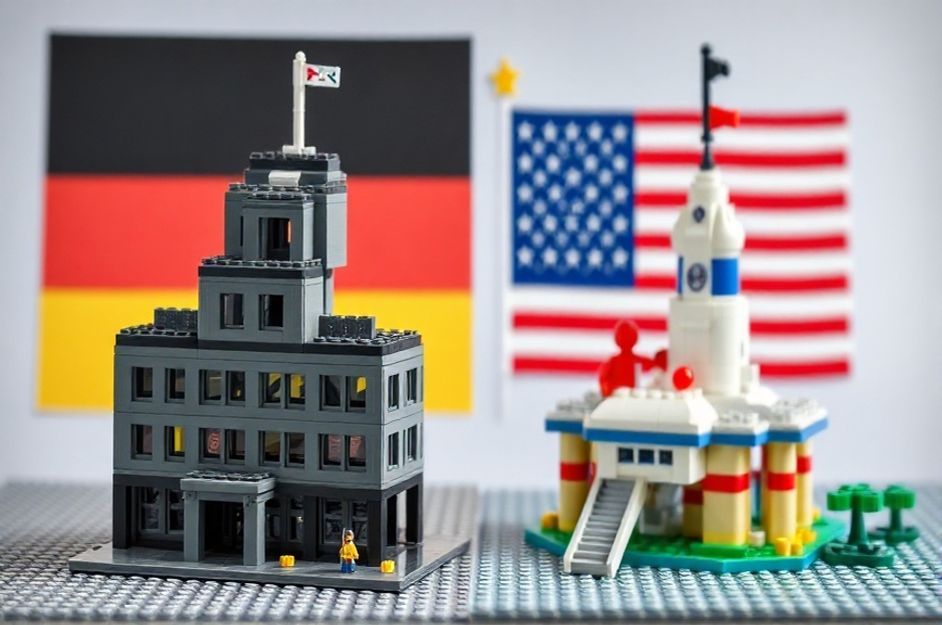
Lego, the renowned Danish toy company, experienced contrasting fortunes in different markets. Their interlocking blocks were an instant hit in Germany, while sales in the United States lagged significantly. The key to this disparity lies in understanding the cultural nuances of each region, as detailed in Clotaire Rapaille’s book, *The Culture Code*.
Lego’s management initially attributed their German success to the detailed, user-friendly instructions included in each set. These instructions provided a clear, step-by-step guide to building the intended model, whether it was a car or a spaceship. The instructions were meticulously crafted, featuring precise diagrams and easy-to-follow explanations, transforming the building process into a rewarding and almost magical experience.
However, American children approached Lego sets with a completely different mindset. They often disregarded the instructions, preferring to dive straight into freeform construction. While they enjoyed the process, they were more likely to build imaginative creations like forts rather than the prescribed model. Furthermore, they would frequently disassemble their creations and start anew, meaning a single Lego set could provide entertainment for years – much to Lego’s initial bewilderment.
In Germany, the Lego experience unfolded as intended. Children carefully consulted the instructions, meticulously sorting the pieces by color before embarking on the building process. They diligently followed the illustrated guide, ensuring their finished model was an exact replica of the image on the box. Proudly displaying their completed creations, they would then eagerly anticipate receiving another Lego set.
Unknowingly, Lego had tapped into the German Culture Code: ORDER. This deeply ingrained cultural value, shaped by generations of striving to overcome chaos through structured systems, predisposed German children to embrace the detailed instructions and strive for perfect replication. This adherence to order not only fueled the initial success but also ensured repeat purchases. The elegant, full-color instructions resonated with the German cultural code, paving the way for sustained sales growth.
*This is an adaptation from The Culture Code by Clotaire Rapaille. Copyright © 2006 by Clotaire Rapaille.*